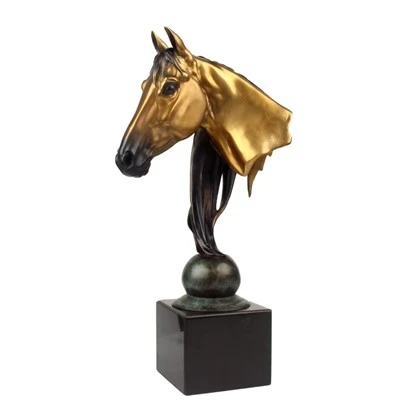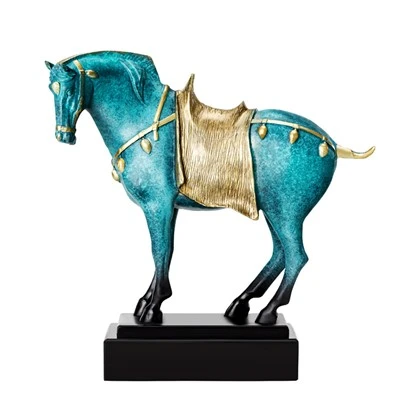
The core components of a bronze statue are its main framework and structural body, which determine the statue's overall form and stability. For figurative bronze statues, the head, torso, arms, and legs are the most critical elements. The head captures the subject's facial features and expression; the torso connects the various parts of the body; and the limbs convey the figure's posture and movement. During production, body proportions and the center of gravity must be carefully balanced; otherwise, the statue may appear unnatural or lack stability when standing.
The base and internal support structures are also vital components. The base, situated at the bottom, provides support and enhances stability, preventing the statue from toppling over. Large or complex statues often incorporate internal metal armatures to bear the weight of the sculpture itself. Particular attention must be paid to load-bearing requirements for projecting elements-such as outstretched arms or raised legs-meaning that internal structural design and connection methods directly impact the statue's safety and durability.
Surface modeling and fine details are equally indispensable. These elements encompass facial features, hair, clothing, accessories, and any objects held by the figure. While they do not provide the primary structural support like the internal framework, they define the statue's artistic expression. Through variations in lines, contours, and surface finishes, the artist can render the subject's expression, the texture of garments, and the nuances of movement. Ultimately, a complete bronze statue requires not only a robust internal structure but also well-proportioned external modeling and rich, intricate detailing.