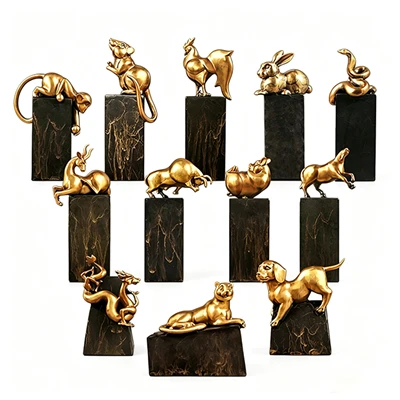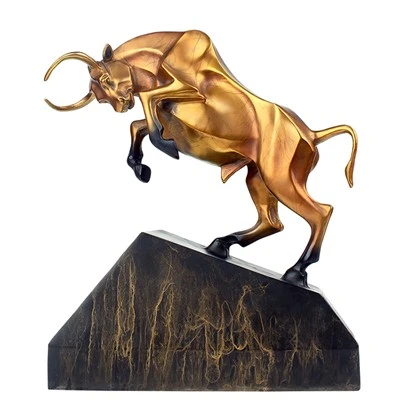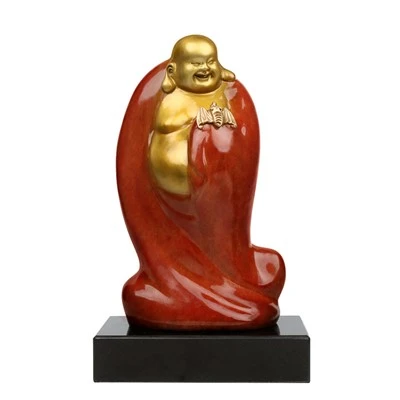
Gifts and souvenirs play a significant role in daily life, primarily serving as tokens of affection and means of expressing sentiment. On important occasions-such as birthdays, holidays, graduations, weddings, or housewarmings-people often select gifts with symbolic meaning for friends and family to convey their best wishes. Unlike ordinary household items, gifts featuring unique designs or commemorative value leave a lasting impression. For instance, small statues, ornaments, and handicrafts that reflect local characteristics make excellent gifts while also serving as home décor.
Souvenirs are also common items associated with travel and cultural experiences. When visiting new cities or tourist attractions, people frequently purchase locally themed souvenirs to preserve tangible memories of their journeys. These items can be displayed on bookshelves, cabinets, or desks, enhancing the living space while serving as reminders of places visited. Bronze statue souvenirs, for example, might incorporate historical figures, animal motifs, or elements of local culture into their designs; this allows them to satisfy decorative needs while simultaneously showcasing cultural identity.
Gifts and souvenirs also find application in corporate promotion, cultural events, and public commemorations. Companies may use branded handicrafts as business gifts for client relations and major events, while institutions such as schools, museums, and tourist sites design signature souvenirs for commemorative activities or cultural outreach. As people increasingly value personalization and cultural depth, the design of gifts and souvenirs now emphasizes a blend of utility and artistry, transforming them from mere objects into mediums that connect people with one another and with culture.