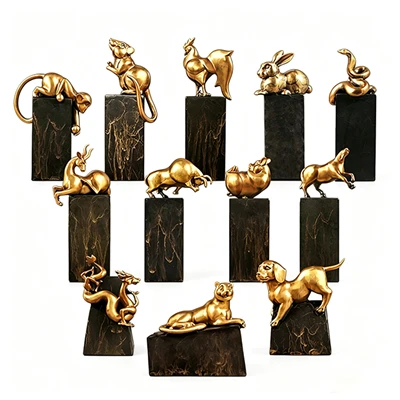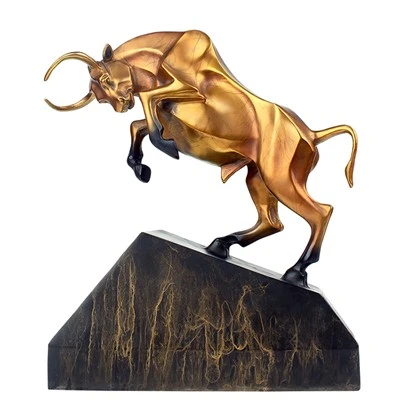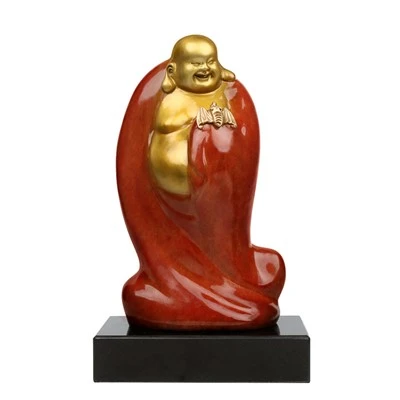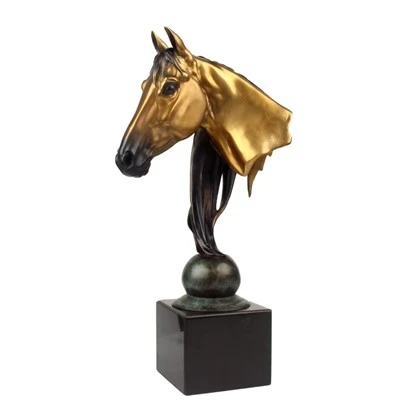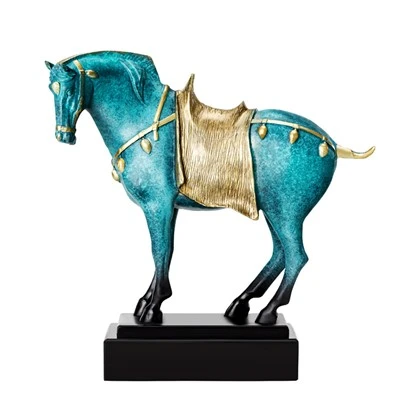
Bronze sculpture is an art form with a long history and unique expressive power. Utilizing bronze as the primary material-and employing techniques such as casting, grinding, carving, and surface finishing-artists shape figures, animals, and other subjects into three-dimensional artworks. Unlike paintings, bronze sculptures can be viewed from various angles, allowing the work's volume, spatial presence, and interplay of light and shadow to be fully appreciated. Bronze possesses an inherent sense of solidity and gravitas, making it an ideal medium for conveying themes of solemnity, power, and historical resonance.
The artistic appeal of bronze sculpture also lies in its form and intricate detailing. Artists can reveal a subject's personality and emotions through details such as posture, facial expression, movement, and attire, while also employing techniques like exaggeration or stylization to highlight the work's central theme. When illuminated, the varying contours of the sculpture's surface create dynamic contrasts between light and shadow, lending the piece greater depth and visual richness. Treatments such as patination and antiquing further enhance the surface with diverse colors and textures, giving the sculpture an aged, classic aesthetic while heightening its emotional impact.
Bronze sculpture also serves as a powerful medium for cultural expression and commemoration. Statues of historical figures document and honor significant individuals; sculptures depicting animals or traditional motifs reflect the cultural character of specific regions; and modern bronze works-whether abstract or realistic-convey the artist's thoughts and emotions. Consequently, bronze sculpture is not merely an object of aesthetic appreciation but also a vital vehicle for transmitting history, culture, and social memory, finding widespread application in urban landscapes, public art installations, museums, and commemorative sites.