Gifts and souvenirs hold not only practical utility in people's lives but also carry emotional and cultural significance. Gifts are often exchanged to convey well-wishes, gratitude, respect, or to mark an occasion, serving as tangible vessels for the giver's sentiments. Souvenirs, on the other hand, are closely linked to specific experiences, places, or significant events; purchased after a trip, an event, or a special moment, they allow people to preserve memories of that time. Consequently, once infused with emotion, an ordinary object often acquires a special value that far exceeds its monetary cost.
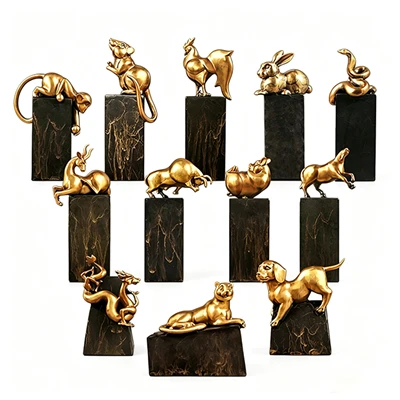
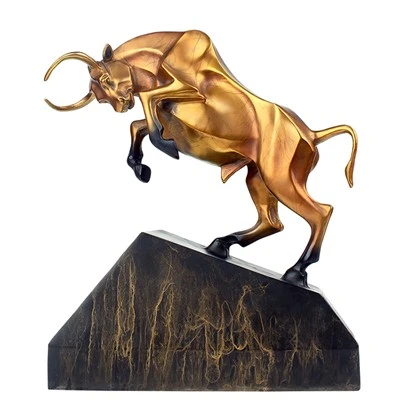
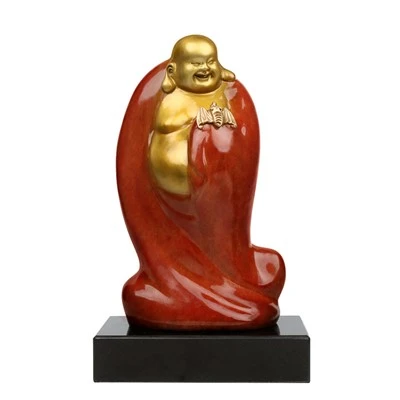
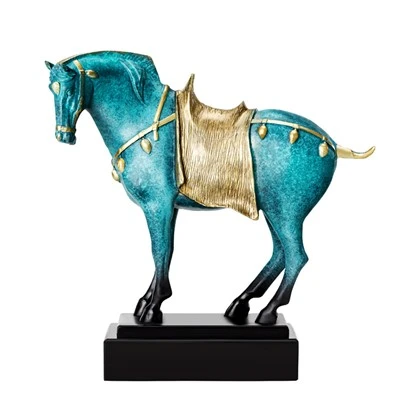
In terms of cultural value, gifts and souvenirs serve as a medium for sharing regional cultures and traditional craftsmanship. Souvenirs with local character often incorporate elements of local history, architecture, notable figures, folklore, or traditional arts, enabling people to gain insight into a region's cultural identity through tangible objects. For instance, statues, artifacts, and ornaments created using traditional techniques not only showcase the artisan's skill but also present traditional culture to a wider audience in a vivid, accessible way. Bronze statue souvenirs, in particular, possess distinct historical and cultural characteristics in their materials and forms, making them valuable for both collectors and the dissemination of culture.
Gifts and souvenirs also possess collectible and social value. Exquisitely designed and well-crafted souvenirs can evolve into cherished personal collectibles over time, documenting experiences and memories from specific periods of one's life. For museums, tourist attractions, and cultural institutions, representative souvenirs serve a promotional function, helping more people learn about the associated history and culture. Thus, the value of gifts and souvenirs extends beyond the merchandise itself, encompassing emotional expression, cultural heritage, the preservation of memories, and social interaction.