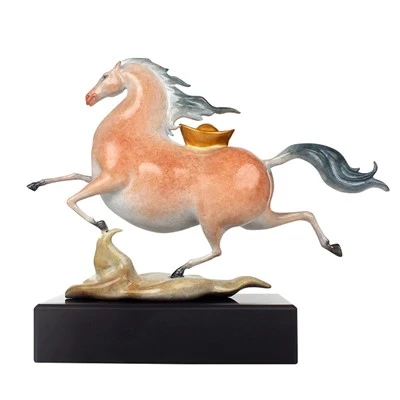

As a supplier of bronze sculptures, I've witnessed firsthand the profound influence of environmental factors on these exquisite artworks. Bronze sculptures, with their timeless allure and artistic value, are not immune to the effects of the world around them. Understanding how environmental elements interact with bronze is crucial for both preserving these masterpieces and ensuring their longevity for future generations to admire.
Oxidation and Patina Formation
One of the most visible impacts of environmental factors on bronze sculptures is oxidation. Bronze, an alloy primarily composed of copper and tin, reacts with oxygen in the air to form copper oxide. This process is accelerated in the presence of moisture, which acts as a catalyst. Over time, the initial copper oxide layer may further react with other substances in the environment, such as sulfur compounds, to form a patina.
The patina, a characteristic surface layer on bronze sculptures, can range in color from greenish - blue (such as the iconic patina on the Statue of Liberty) to brown or black. While some collectors and artists appreciate the aesthetic value of a well - developed patina, excessive oxidation can lead to damage. For instance, in areas with high humidity and industrial pollution, the sulfur dioxide in the air can cause a more aggressive form of patina called bronze disease. This progressive corrosion can eat away at the bronze, leaving pits and holes in the sculpture.
Humidity and Moisture
Humidity plays a significant role in the preservation of bronze sculptures. High humidity levels create an environment where moisture can condense on the surface of the bronze, promoting oxidation and corrosion. In regions with tropical climates or near large bodies of water, the constant presence of moisture in the air can be particularly challenging for bronze sculptures.
On the other hand, extremely low humidity can also cause problems. Dry air can lead to the contraction and cracking of bronze, especially in older sculptures. The expansion and contraction cycles due to fluctuating humidity levels can weaken the structure of the bronze over time. To mitigate these issues, we, as bronze sculpture suppliers, often recommend climate - controlled storage or display environments for our customers, especially for high - value and antique pieces.
Temperature Fluctuations
Temperature changes can have a profound impact on bronze sculptures. Bronze expands when heated and contracts when cooled. Rapid or extreme temperature fluctuations can cause internal stress within the sculpture. Over time, these stresses can lead to cracks or fractures in the bronze, especially in areas where the metal is already weakened by previous damage or corrosion.
In outdoor settings, bronze sculptures are exposed to the full range of seasonal temperature variations. In winter, freezing temperatures can be particularly damaging. If water has penetrated into small cracks or pores in the bronze and then freezes, the expansion of the ice can force the cracks to widen, causing irreparable damage. To help prevent such damage, we often suggest protective coverings or shelters for outdoor bronze sculptures during harsh weather conditions.
Pollutants and Chemicals
Air pollutants, such as sulfur dioxide, nitrogen oxides, and particulate matter, can have a detrimental effect on bronze sculptures. Industrial areas, urban centers with heavy traffic, and regions with frequent wildfires are all likely to have high levels of these pollutants. Sulfur dioxide, in particular, can react with the copper in bronze to form copper sulfate, which can lead to the formation of a thick, crusty patina and ultimately cause corrosion.
Chemicals in the soil can also affect bronze sculptures, especially those installed in the ground. Acidic or alkaline soils can leach into the bronze, causing chemical reactions that weaken the metal. For example, in areas with acidic soil conditions, the hydrogen ions in the soil can react with the bronze, accelerating the corrosion process. We recommend regular inspections of sculptures installed in soil and, if necessary, the use of protective coatings to prevent chemical contact.
UV Radiation
Ultraviolet (UV) radiation from the sun can also impact bronze sculptures, although its effects are mostly indirect. UV radiation can cause the breakdown of any protective coatings applied to the bronze, making the surface more vulnerable to oxidation and other forms of damage. Additionally, long - term exposure to sunlight can cause fading and discoloration of any paint or finishes on the sculpture.
When displaying bronze sculptures outdoors, it's important to consider the direction and intensity of sunlight. If possible, we recommend positioning the sculptures in areas with partial shade or using UV - resistant protective coatings to minimize the impact of UV radiation.
Case Studies and Real - World Examples
To better illustrate the impact of environmental factors on bronze sculptures, let's look at a few real - world examples. The Parthenon Marbles, many of which are bronze fragments, have suffered significant damage over the centuries due to environmental exposure. The harsh Greek climate, with its high temperatures, strong sunlight, and periodic rainfall, has contributed to the erosion and corrosion of these ancient artworks.
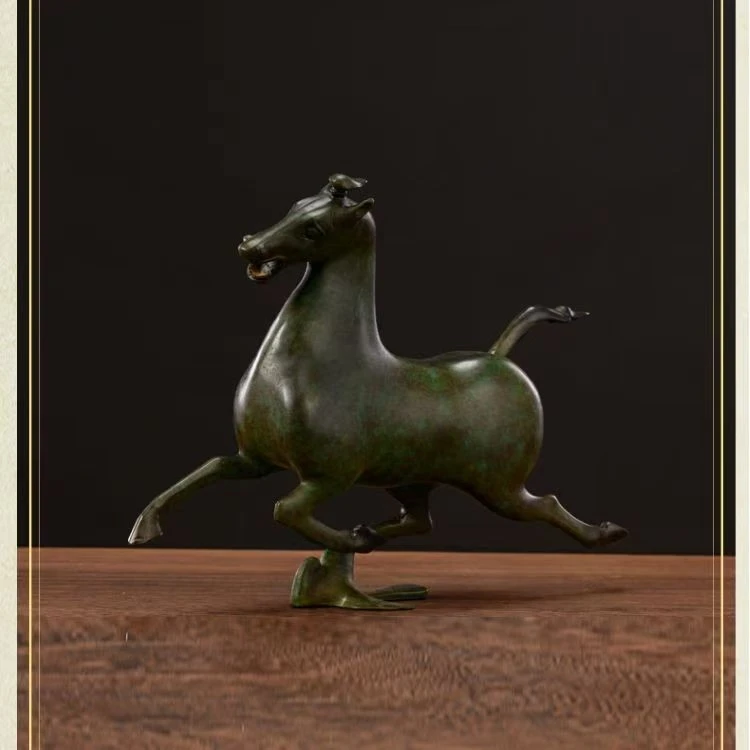
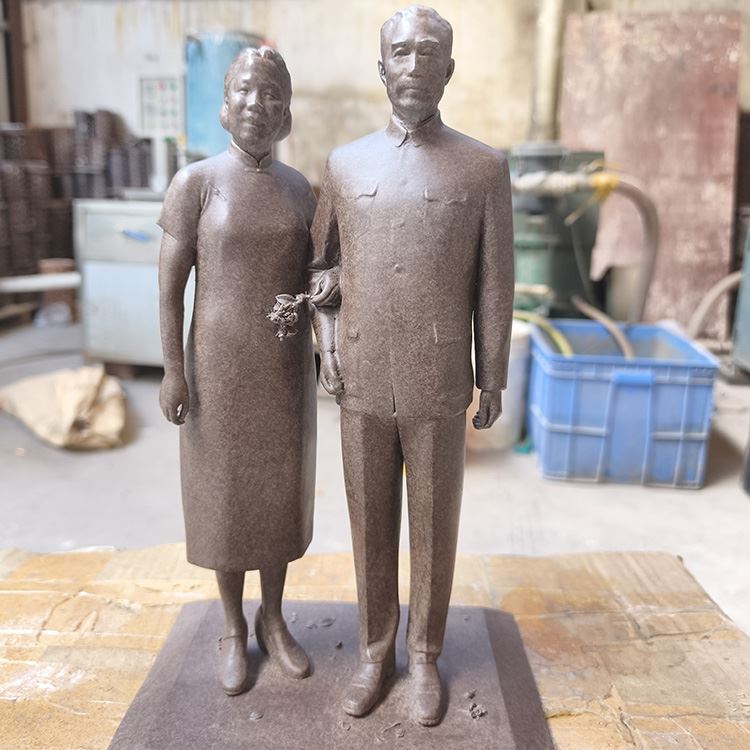
In modern cities, bronze sculptures placed near factories or busy roads often show signs of accelerated aging. For instance, in some industrial areas of China, bronze sculptures have developed thick, black patinas in a relatively short period of time due to high levels of sulfur dioxide and particulate matter in the air.
Preservation Strategies
As a bronze sculpture supplier, we are committed to helping our customers preserve their investments. We offer a range of preservation services, including the application of protective coatings. These coatings act as a barrier between the bronze and the environment, preventing oxygen, moisture, and pollutants from coming into direct contact with the metal.
Regular cleaning and maintenance are also essential. We recommend using mild, non - abrasive cleaning agents to remove dirt and debris from the surface of the sculpture. However, it's important to be careful not to damage the patina, as it is often an important part of the sculpture's aesthetic.
For outdoor sculptures, we suggest installing protective structures, such as canopies or pergolas, to shield them from the elements. These structures can provide protection from rain, snow, and direct sunlight.
Conclusion
In conclusion, environmental factors have a wide - ranging impact on bronze sculptures. Oxidation, humidity, temperature fluctuations, pollutants, and UV radiation can all cause damage to these artworks over time. However, with proper understanding and proactive preservation measures, we can significantly extend the lifespan of bronze sculptures.
As a supplier of bronze sculptures, we take pride in the quality of our products and are dedicated to helping our customers ensure the long - term preservation of their bronze pieces. Whether you are interested in a Bronze Portrait Sculpture or Vintage Distressed Bronze Collectibles, we are here to assist you. If you have any questions or are interested in purchasing bronze sculptures for your collection or project, please do not hesitate to contact us for a procurement discussion.
References
- Ashurst, J., & Dimes, F. (1998). Conservation of Metals: A Vital Heritage. Butterworth - Heinemann.
- Siegel, S. (2008). Aging with Grace: Understanding and Preventing the Degradation of Ancient Metals. The American Journal of Archaeology.
- Waksman, A. (2012). The Effects of Atmospheric Pollutants on Metal Artifacts. Journal of Cultural Heritage Preservation.