
As a supplier of stainless steel landscape sculptures, I often encounter questions from customers regarding the installation of these art pieces in public areas. The idea of beautifying public spaces with stunning stainless steel sculptures is indeed appealing, but it's crucial to understand that there are regulations governing such installations.
Zoning and Permit Requirements
One of the primary considerations when installing stainless - steel landscape sculptures in public areas is zoning regulations. Different cities and municipalities have specific zoning laws that dictate what can be placed in various zones. For example, a commercial zone may have different requirements compared to a residential or a park zone.
In many cases, you'll need to obtain a permit from the local government or relevant authority before installing a sculpture. The permit process typically involves submitting detailed plans of the sculpture, including its size, location, and design. The authorities will review these plans to ensure that the sculpture complies with all local regulations. This can include factors such as setbacks from roads and buildings, height restrictions, and the overall aesthetic impact on the area.
For instance, in a busy downtown area, the local government may be concerned about ensuring that the sculpture does not obstruct pedestrian or vehicular traffic. They may require a certain clearance around the sculpture to maintain safety and accessibility. If you're planning to install a large - scale sculpture in a park, the authorities may want to make sure that it does not disrupt the natural environment or interfere with the existing amenities in the park.
Safety and Structural Integrity
Safety is of utmost importance when it comes to public installations. Stainless steel landscape sculptures need to be structurally sound to withstand various environmental conditions and potential human interactions. The sculpture must be engineered to resist forces such as wind, rain, and seismic activity, depending on the location.
Before installation, the sculpture should be inspected by a qualified structural engineer. The engineer will assess the design and construction of the sculpture to ensure that it meets all relevant safety standards. They may also recommend additional measures, such as anchoring the sculpture to the ground or using appropriate support structures.
In addition to physical safety, the sculpture should also be designed in a way that minimizes the risk of injury to the public. Sharp edges or protrusions should be avoided, and the surface of the sculpture should be smooth to prevent cuts and abrasions. For example, if the sculpture has moving parts, there should be proper guards and safety mechanisms in place to prevent people from getting caught or injured.
Aesthetic and Community Impact
The aesthetic impact of a stainless steel landscape sculpture in a public area is another important factor. The local community and authorities will often have an interest in ensuring that the sculpture enhances the overall character and beauty of the area.
Some cities may have design review boards or committees that evaluate proposed public art installations. These boards typically consist of artists, architects, and community representatives. They will assess the sculpture's design, style, and how it fits into the surrounding context. For example, if the area has a historical or cultural theme, the sculpture should complement rather than clash with these elements.
Community engagement is also a key part of the process. Before installing a sculpture, it's often necessary to hold public meetings or consultations to gather feedback from the local residents. This can help to ensure that the sculpture reflects the values and interests of the community. If the community is opposed to the design or location of the sculpture, it may be difficult to obtain the necessary approvals for installation.
Maintenance and Long - Term Care
When installing a stainless steel landscape sculpture in a public area, provisions for maintenance and long - term care must be considered. Stainless steel is a durable material, but it still requires regular cleaning and upkeep to maintain its appearance and integrity.
The local government or the entity responsible for the public area may have specific requirements regarding maintenance. For example, they may require that the sculpture be cleaned at least once a year to remove dirt, grime, and graffiti. In some cases, they may also expect the supplier or the installer to provide a maintenance plan as part of the installation agreement.
Long - term care also involves monitoring the structural condition of the sculpture over time. Regular inspections should be carried out to check for any signs of corrosion, damage, or wear and tear. If any issues are detected, they should be addressed promptly to prevent further deterioration.
Our Role as a Supplier
As a stainless - steel landscape sculpture supplier, we play a crucial role in helping our customers navigate these regulations. We have a team of experts who are familiar with the local regulations in different areas. We can assist our customers in obtaining the necessary permits, ensuring that the sculpture meets all safety and aesthetic requirements, and providing guidance on maintenance.
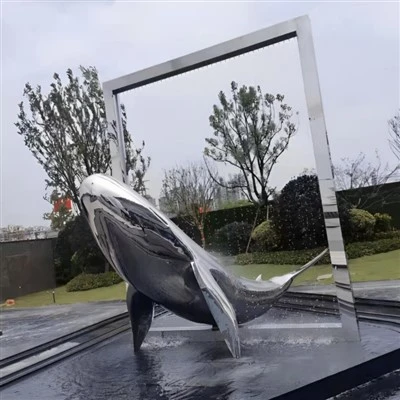
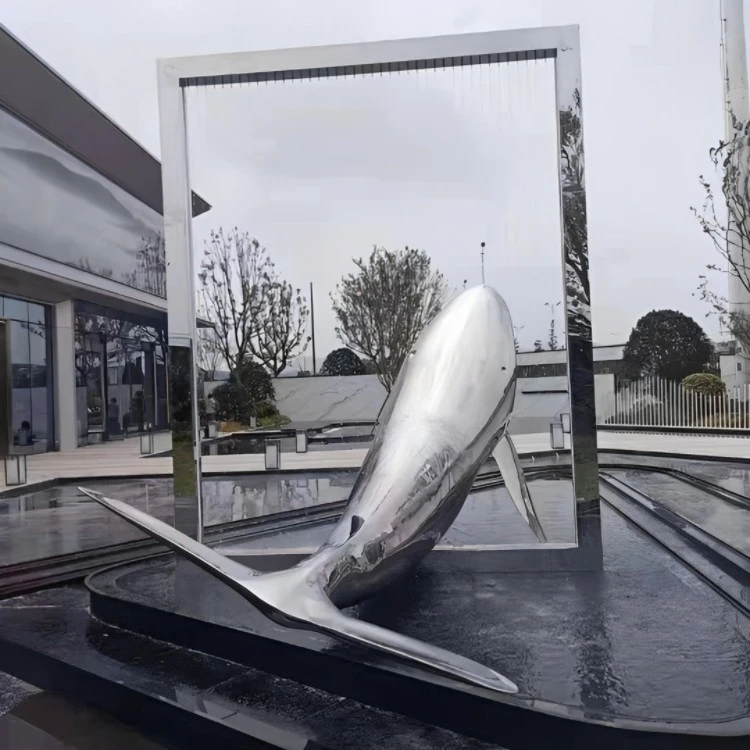
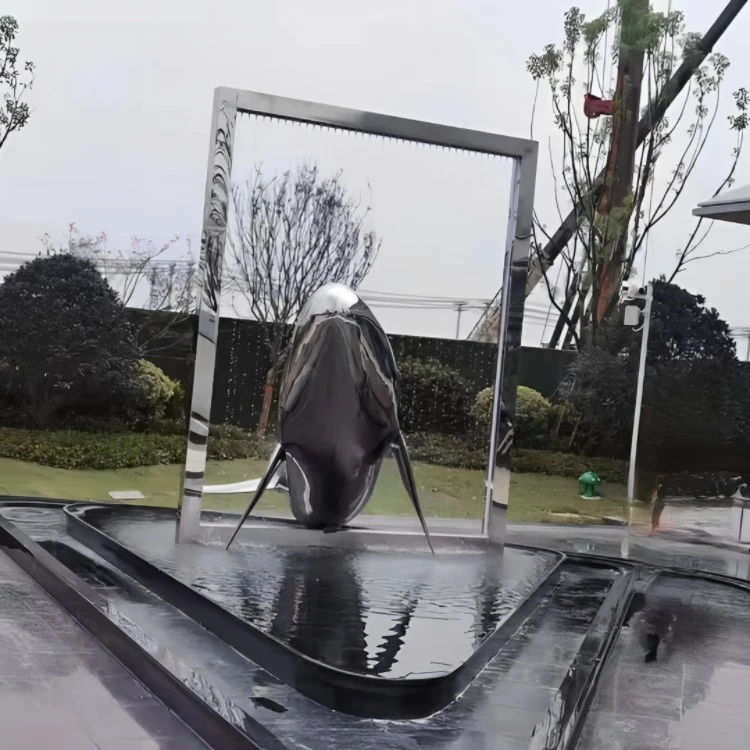
We offer a wide range of stainless - steel landscape sculptures, including the Stainless Steel Fountain Sculpture. Our sculptures are designed and fabricated to the highest standards, using high - quality stainless steel materials. We work closely with our customers to understand their specific needs and preferences, and we can customize sculptures to fit any public area.
If you're considering installing a stainless - steel landscape sculpture in a public area, we encourage you to contact us for more information. Our team is ready to assist you throughout the entire process, from design and planning to installation and maintenance. We can help you create a stunning and compliant public art piece that will enhance the beauty and functionality of your chosen location.
References
- "Zoning and Land Use Regulations in Urban Areas" - A comprehensive guide published by the Urban Planning Institute.
- "Safety Standards for Public Art Installations" - A report by the National Association of Public Art Safety.
- "Community Engagement in Public Art Projects" - Research findings from the Community Arts Council.