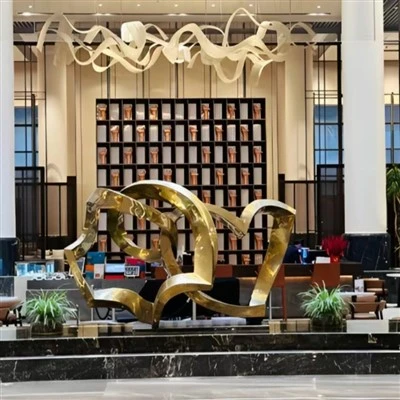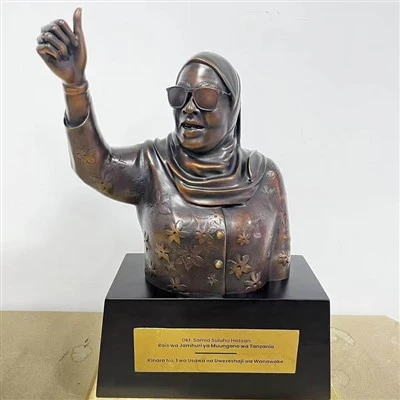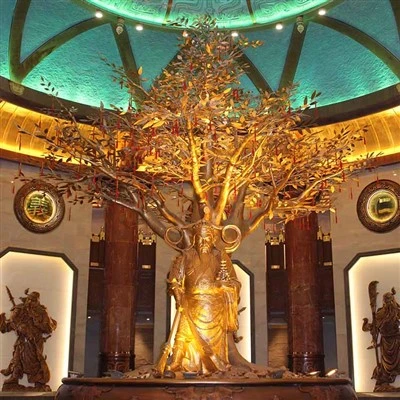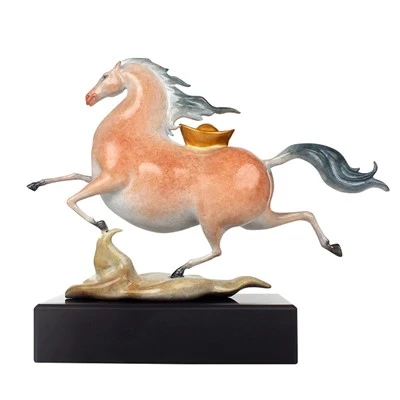

How does the patina on the bronze sculpture in the hotel lobby develop?
As a supplier of bronze sculptures for hotel lobbies, I've witnessed firsthand the captivating allure of these artworks. One of the most fascinating aspects of bronze sculptures is the development of patina, a natural or artificially induced surface layer that adds character, depth, and historical charm. In this blog post, I'll delve into the science and art behind the patina on bronze sculptures in hotel lobbies, exploring how it forms, the factors that influence its development, and the techniques used to achieve different patina effects.
The Science of Patina Formation
Patina is a thin layer of corrosion that forms on the surface of bronze over time. Bronze is an alloy primarily composed of copper, with varying amounts of tin, zinc, and other elements. When exposed to oxygen, moisture, and other environmental factors, the copper in the bronze reacts to form copper oxides, hydroxides, and carbonates. These compounds create a protective layer on the surface of the bronze, preventing further corrosion and giving the sculpture its distinctive color and texture.
The formation of patina is a complex chemical process that can be influenced by several factors, including the composition of the bronze alloy, the environmental conditions, and the presence of pollutants or contaminants. For example, bronze sculptures exposed to coastal environments may develop a green patina due to the high levels of salt in the air, while those in urban areas may develop a darker, more textured patina due to the presence of pollutants such as sulfur dioxide and nitrogen oxides.
Natural Patina Development
In nature, patina develops slowly over time as the bronze sculpture is exposed to the elements. The process can take decades or even centuries, depending on the environmental conditions. As the bronze reacts with oxygen, water, and other substances in the air, it forms a layer of copper carbonate, which is commonly known as “verdigris.” Verdigris has a distinctive green color and is often associated with antique bronze sculptures.
The rate of natural patina development can be influenced by several factors, including the temperature, humidity, and exposure to sunlight. In general, higher temperatures and humidity levels accelerate the corrosion process, while exposure to sunlight can cause the patina to fade or become more uneven. Additionally, the presence of pollutants or contaminants in the air can also affect the color and texture of the patina.
Artificial Patina Techniques
While natural patina development can create beautiful and unique effects, it can also be a slow and unpredictable process. For this reason, many artists and sculptors use artificial patina techniques to achieve the desired color and texture more quickly and consistently. There are several different methods for creating artificial patina, each of which produces a different effect.
One common method is to apply a chemical solution to the surface of the bronze. These solutions typically contain acids, alkalis, or salts that react with the copper in the bronze to form a patina. The type and concentration of the chemical solution, as well as the duration of the treatment, can be adjusted to achieve different colors and textures. For example, a solution of ferric chloride can be used to create a black or brown patina, while a solution of liver of sulfur can be used to create a blue or green patina.
Another method is to use heat to create a patina. This technique involves heating the bronze sculpture to a high temperature and then applying a chemical solution or allowing it to cool in the air. The heat causes the copper in the bronze to oxidize more quickly, resulting in a darker, more textured patina. This method is often used to create a rustic or aged effect.
Factors Affecting Patina Development in Hotel Lobbies
In a hotel lobby, the development of patina on a bronze sculpture can be influenced by several factors, including the environmental conditions, the location of the sculpture, and the frequency of cleaning and maintenance.
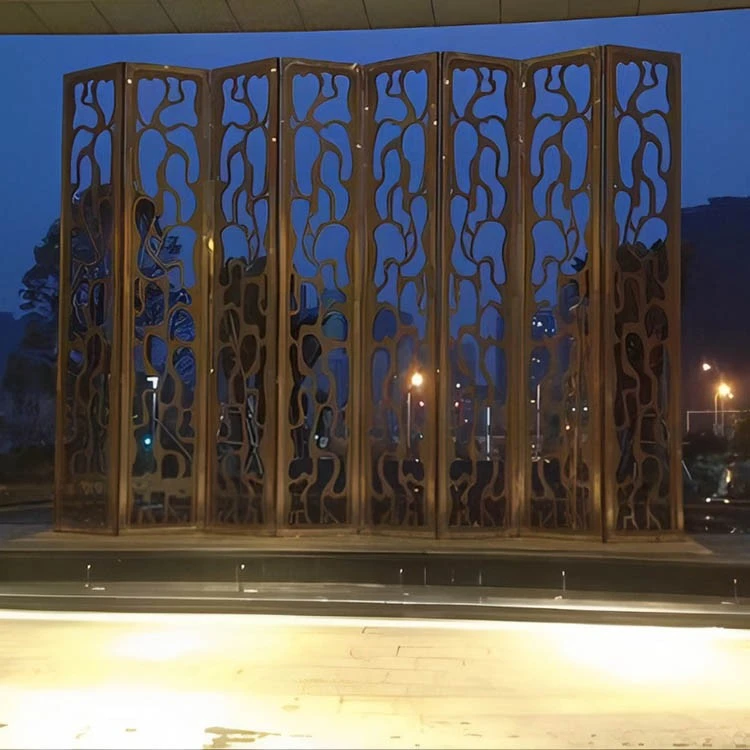
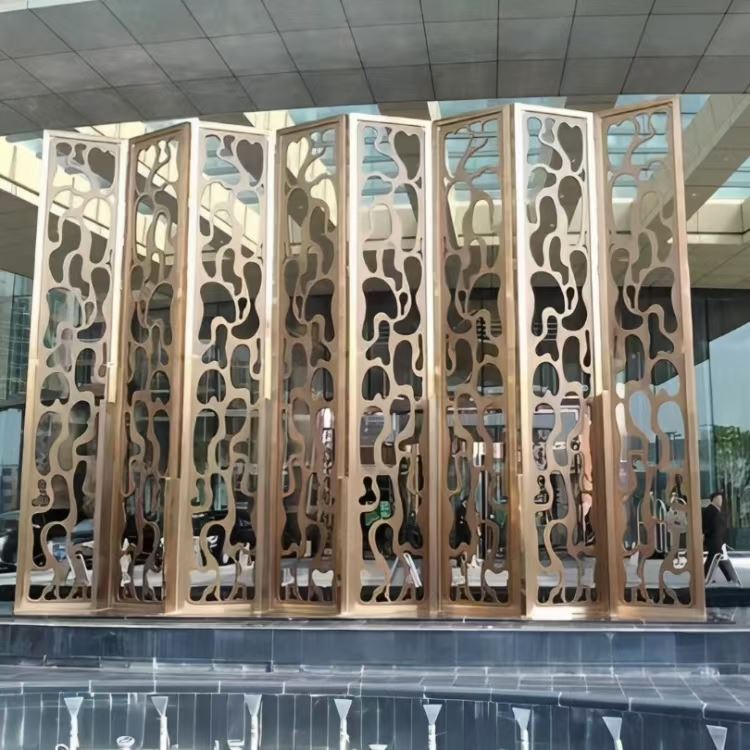
- Environmental Conditions: The temperature, humidity, and air quality in the hotel lobby can all affect the rate and quality of patina development. For example, a lobby with high humidity levels may promote the growth of mold and mildew, which can damage the patina and the underlying bronze. On the other hand, a lobby with low humidity levels may cause the patina to dry out and crack.
- Location of the Sculpture: The location of the bronze sculpture in the hotel lobby can also affect the development of patina. Sculptures that are exposed to direct sunlight or high traffic areas may develop a more uneven or faded patina over time. Additionally, sculptures that are located near sources of moisture, such as fountains or bathrooms, may be more prone to corrosion.
- Cleaning and Maintenance: Regular cleaning and maintenance are essential for preserving the patina on bronze sculptures in hotel lobbies. However, it's important to use the right cleaning products and techniques to avoid damaging the patina. Harsh chemicals or abrasive cleaners can strip away the patina and expose the underlying bronze to further corrosion. Instead, it's recommended to use a mild soap and water solution and a soft cloth to gently clean the surface of the sculpture.
The Importance of Patina in Hotel Design
In addition to its aesthetic appeal, the patina on bronze sculptures in hotel lobbies can also play an important role in the overall design and ambiance of the space. A well-developed patina can add a sense of history, authenticity, and sophistication to the lobby, creating a memorable and inviting atmosphere for guests.
- Enhancing the Visual Appeal: The color and texture of the patina can complement the design elements of the hotel lobby, such as the furniture, flooring, and lighting. A warm, earthy patina can add a touch of warmth and richness to a modern or minimalist lobby, while a cool, blue-green patina can create a calming and serene atmosphere.
- Creating a Sense of Place: The patina on a bronze sculpture can also reflect the local culture, history, or environment of the hotel's location. For example, a sculpture with a green patina inspired by the lush vegetation of a tropical destination can help to create a sense of place and transport guests to that location.
- Adding Value and Sustainability: Bronze sculptures with a well-developed patina are often considered to be more valuable and sustainable than those without. The patina acts as a protective layer, preventing further corrosion and extending the lifespan of the sculpture. Additionally, the unique color and texture of the patina can make the sculpture more desirable and collectible, increasing its resale value.
Conclusion
The patina on bronze sculptures in hotel lobbies is a fascinating and complex phenomenon that adds beauty, character, and value to these artworks. Whether it develops naturally over time or is created artificially, the patina is a testament to the enduring nature of bronze and the skill of the artist. As a supplier of bronze sculptures for hotel lobbies, I'm passionate about helping hotels create unique and memorable spaces that showcase the beauty and versatility of these artworks. If you're interested in learning more about our bronze sculptures or discussing your specific design needs, please don't hesitate to contact us. We'd be happy to help you find the perfect sculpture for your hotel lobby.
References
- "The Chemistry of Copper Patina." Journal of Chemical Education, vol. 78, no. 11, 2001, pp. 1509-1514.
- "Patination of Bronze Artworks: A Review of Traditional and Modern Techniques." Studies in Conservation, vol. 55, no. 2, 2010, pp. 103-116.
- Art Sculptures In Hotel Public Spaces
- Large Floor Sculpture At The Hotel Entrance