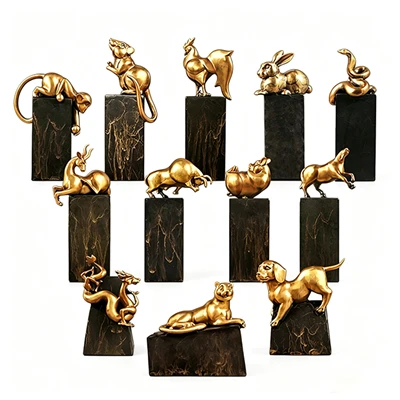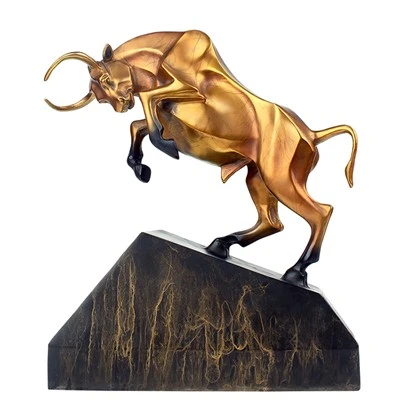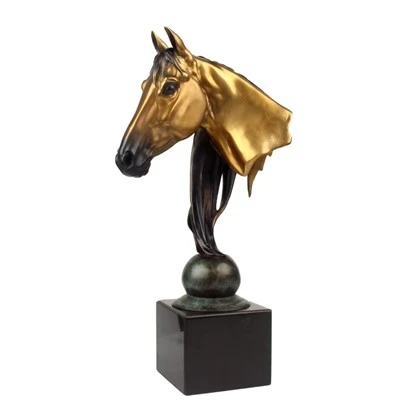
Bronze commemorative sculptures are a form of public art imbued with commemorative and symbolic significance, typically created to honor important figures, historical events, or memories of eras holding special meaning. More than mere works of sculpture, they embody the collective memory of the past and a reverence for history. Through tangible forms and figures, viewers can gain a more intuitive sense of the traces left by history.
The material itself-bronze-carries unique symbolic weight. Renowned for its durability and corrosion resistance, bronze allows sculptures to endure for ages, making it the ideal medium for monuments intended to last. Over time, the bronze surface develops a distinctive patina and texture; this natural transformation enhances the work's sense of history, forging a tangible connection between the sculpture and the passage of time.
In terms of form and expression, these sculptures convey their themes through the figures' postures, attire, and actions, as well as their relationship with the surrounding environment. Dignified, composed forms can express respect for historical figures, while powerful poses embody the spirit of struggle, sacrifice, and steadfastness. The details within the sculpture are not merely decorative; they are crucial elements that help the viewer grasp the work's deeper meaning.
On a profound level, bronze commemorative sculptures do more than honor the past; they remind contemporary audiences to cherish and understand history. Serving as visual symbols within cities or public spaces, they bring historical memory into the daily lives of ordinary people. In this way, the sculpture bridges the past and the present, transforming commemoration from something confined to texts and archives into a living cultural memory that can be seen, felt, and remembered.