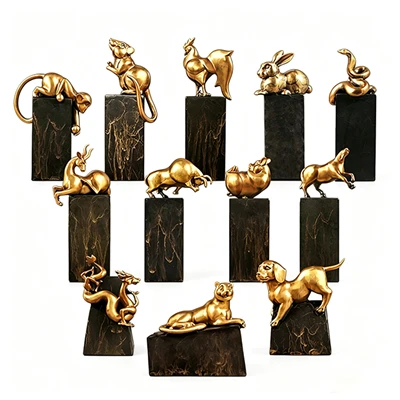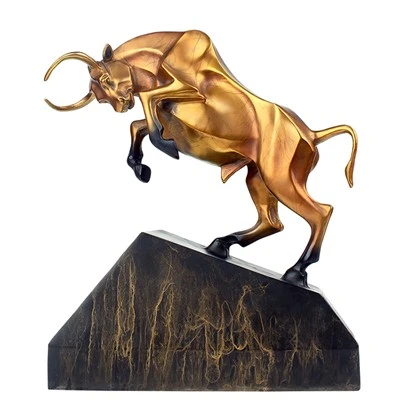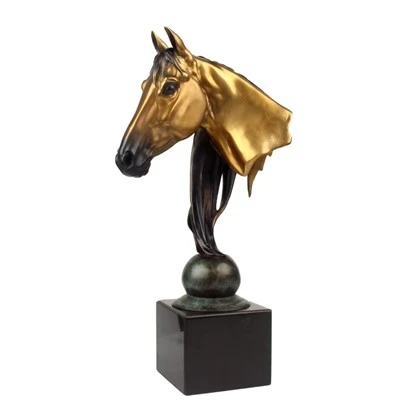
Bronze monumental sculpture has a long history of development. Early bronze sculptures were primarily associated with sacrificial rites, religion, and symbols of power; while monumental sculpture in the modern sense had not yet emerged, bronze was already being used to depict figures, animals, and significant events. The material's durability ensured the long-term preservation of many works, laying the foundation for the future evolution of monumental sculpture.
With the growth of urban development and public culture, monumental sculpture gradually became a vital medium for recording history. Many nations began using sculpture to commemorate historical figures, wartime events, and key stages of social progress. During this period, bronze sculptures placed greater emphasis on the realism and expressive spirit of the human figure; typically situated in public spaces such as plazas, parks, and memorial halls, they became integral parts of the urban landscape.
The forms of expression in bronze monumental sculpture became increasingly diverse. Artists moved beyond traditional realism, incorporating elements of abstraction, exaggeration, and symbolism. Subject matter also expanded from the commemoration of heroes to include ordinary workers, social events, cultural traditions, and collective memory, thereby bringing monumental sculpture closer to the lives of everyday people.
Contemporary bronze monumental sculpture places greater emphasis on the relationship between the artwork, its environment, and the audience. Artists design works that integrate the specific urban space, historical context, and cultural characteristics of the site; some pieces even employ interactive or open concepts that invite audience participation. Ultimately, bronze monumental sculpture has evolved from a simple commemorative form for recording history into a significant medium that fuses art, culture, and public space.