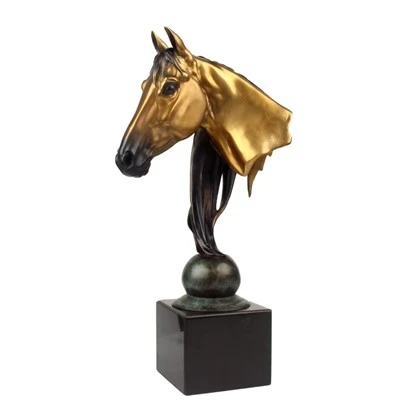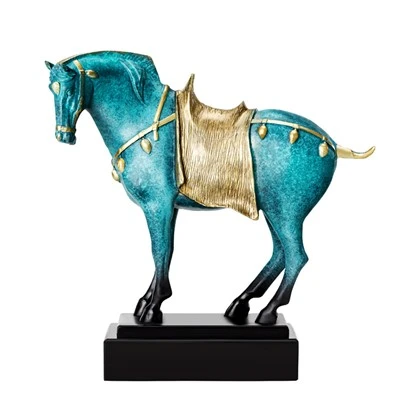
When storing gallery sculptures, the primary requirement is a dry, clean, and well-ventilated environment. The storage space should maintain stable temperature and humidity levels, avoiding prolonged exposure to high heat, high humidity, or significant temperature fluctuations. Storage conditions should be tailored to the specific material-whether metal, wood, or ceramic-to prevent issues such as corrosion, cracking, warping, or surface degradation.
Placement should be determined by the sculpture's weight, dimensions, and structural characteristics. Smaller works can be placed on stable shelving or in display cabinets, while large sculptures should be positioned directly on solid flooring or specialized stands. Adequate spacing between pieces is essential to prevent collisions, and no other items should be stacked on top of the sculptures. For works with a high center of gravity or complex forms, necessary securing measures must be taken to prevent tipping.
Packaging and protection are also crucial aspects of storage. When moving or storing works for extended periods, they should be wrapped in acid-free paper, soft non-woven fabric, or other art-safe materials to shield surfaces from dust and abrasion. Fragile sculptures, such as those made of glass or ceramics, require additional cushioning materials. Packaging should not be airtight-particularly for metal works-to prevent moisture accumulation inside the wrapping.
Regular inspections and cleaning should be conducted during storage to check for dust accumulation, rust, cracks, discoloration, or structural instability. Any anomalies should be promptly documented, and appropriate measures taken based on the material of the artwork. For high-value, antique, or unique-material pieces, DIY cleaning or restoration is not recommended; such work is best handled by professionals. Through standardized environmental control, proper placement, appropriate packaging, and regular inspections, the risk of damage to sculptures during storage can be effectively minimized.