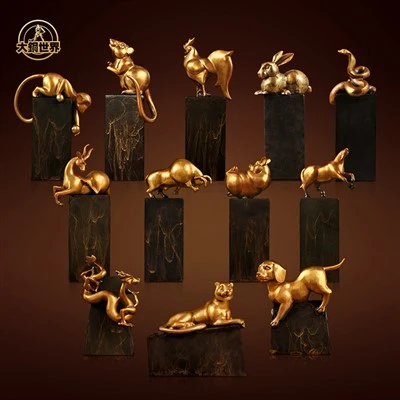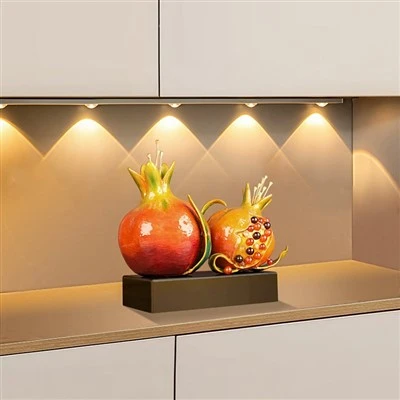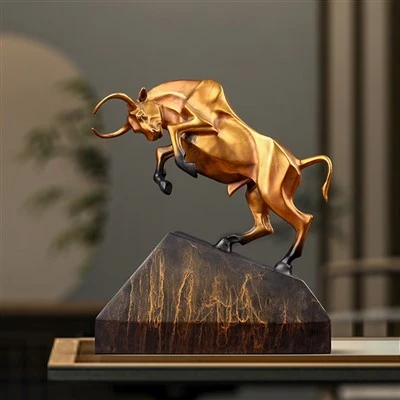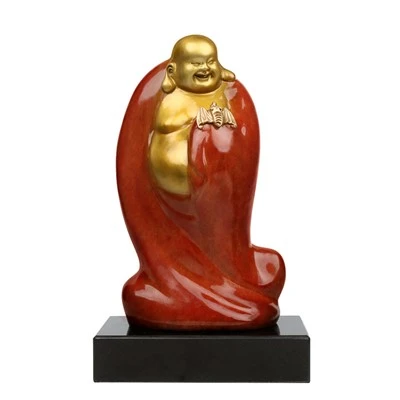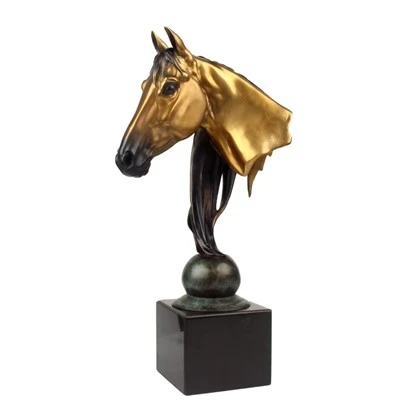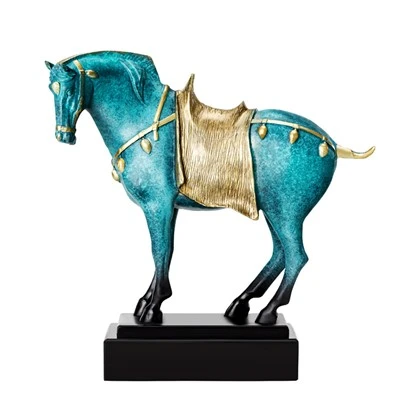
The design of a bronze statue begins with considerations of its overall form and proportions. Factors such as size, shape, posture, and the proportional relationships between various parts all influence the work's final visual impact. For figurative statues, particular attention must be paid to the proportions of the head, torso, and limbs; simultaneously, the figure's center of gravity must be established based on its action and pose to ensure a natural and harmonious appearance. For animal or abstract bronze sculptures, the work's primary characteristics are highlighted through contours, volume, and spatial relationships. A successful design requires not only a distinct silhouette but also a compelling three-dimensional quality when viewed from various angles.
Materials and surface finishes are also crucial elements in bronze statue design. Bronze possesses an inherent sense of substance and gravitas; designers can leverage these metallic qualities to convey a sense of power and historical depth. Surface color, texture, and luster also shape the overall style, allowing for the selection of specific patinas or aging effects that align with the artwork's theme. For instance, deep bronze tones can evoke a sense of solemnity, while verdigris (greenish) finishes often create an antique, natural aesthetic. Practical considerations-such as wall thickness, weight, and casting techniques-must also be addressed to avoid designs that are too complex to fabricate effectively.
Thematic intent, environmental context, and the execution of details are equally vital aspects of bronze statue design. The statue's imagery should align with its underlying theme, conveying ideas and emotions through details such as facial expressions, gestures, attire, and props. When a statue is intended for a public square, park, campus, or memorial site, its dimensions and placement must be determined in relation to surrounding architecture, landscaping, and viewing distances. Detail design should not aim for complexity for its own sake but should instead serve the overall theme, ensuring the statue is artistically expressive while remaining in harmony with its environment.