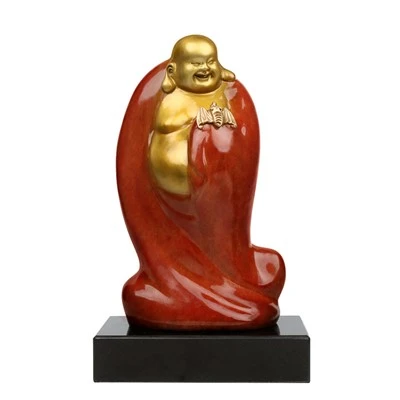
The gift and souvenir market is currently thriving, offering a far wider variety of products than in the past. Driven by the growth of tourism, the cultural heritage sector, and the cultural and creative industries, the market has moved beyond standard items like keychains, postcards, and fridge magnets; consumers are increasingly drawn to products that showcase local character and cultural significance. These items are no longer merely travel mementos; they are increasingly chosen for holiday gifting, business exchanges, cultural events, and home décor.
In terms of consumer demand, there is a growing emphasis on design, cultural distinctiveness, and emotional value. While older souvenirs often suffered from generic designs and a lack of uniqueness-leading consumers to simply display them rather than use them regularly-younger consumers today prefer creative products that tell a story and reflect local culture. Popular choices include museum-branded creative goods, intangible cultural heritage crafts, city-specific gifts, and items that blend traditional culture with modern design. Practicality and reasonable pricing also play crucial roles in purchasing decisions. Popular souvenirs have evolved beyond mere ornaments to encompass homeware, accessories, stationery, and decorative items, allowing consumers to experience the product's cultural essence through daily use. In recent years, the continuous launch of unique cultural and creative products by museums and tourist attractions has further expanded the scope of the gift and souvenir market.
Looking ahead, the market must place greater emphasis on original design and cultural content, integrating traditional culture and local characteristics with modern lifestyles while simultaneously enhancing product quality and craftsmanship. The range of tourism-related goods has shifted from traditional souvenirs to diverse cultural and creative products, with the industry increasingly prioritizing practicality, artistry, and cultural expression. For items such as bronze statuettes, incorporating local history, historical narratives, or traditional cultural elements-combined with adjustments to size, form, and functionality-can better satisfy modern consumer demands for cultural depth, aesthetic appeal, and collectibility.