
As a long - standing campus sculpture supplier, I've witnessed firsthand the transformative power of these art pieces within educational institutions. Campus sculptures are not merely decorative elements placed across the campus grounds; they stand as vibrant and dynamic teaching resources that can seamlessly integrate into art - related courses. In this blog post, I will explore how campus sculptures can fit into the curriculum of art - related courses and why this integration is crucial for a holistic art education.
Historical and Cultural Studies
One of the most prominent ways campus sculptures can be incorporated into art - related curriculum is through historical and cultural study. Art is a reflection of the time and society in which it was created. A well - selected campus sculpture can serve as a living history book, providing students with a tangible link to different eras and cultures.
For instance, a classical Greek - style sculpture on campus can transport students back to the ancient Greek civilization. When teaching art history courses, professors can lead students to the sculpture to discuss the significance of Greek art in Western civilization. They can analyze the idealized human forms, the concepts of symmetry and balance, and how these aesthetic principles were applied in Greek architecture, pottery, and sculpture. This hands - on approach allows students to see in real - life, rather than just in textbooks, how art was intertwined with the social, political, and religious aspects of ancient Greek life.
Similarly, sculptures with cultural roots from other parts of the world can be used to educate students about global art traditions. If there is an African tribal - inspired sculpture on campus, it can be a starting point for discussions on African art forms, the use of natural materials, and the symbolic meanings behind various designs. Through this, students gain a broader perspective on art history, understanding that art is a global phenomenon with diverse expressions.
Aesthetic and Design Principles
Campus sculptures are also excellent tools for teaching aesthetic and design principles. These principles, such as proportion, rhythm, and contrast, are fundamental in all forms of art, from painting to architecture.
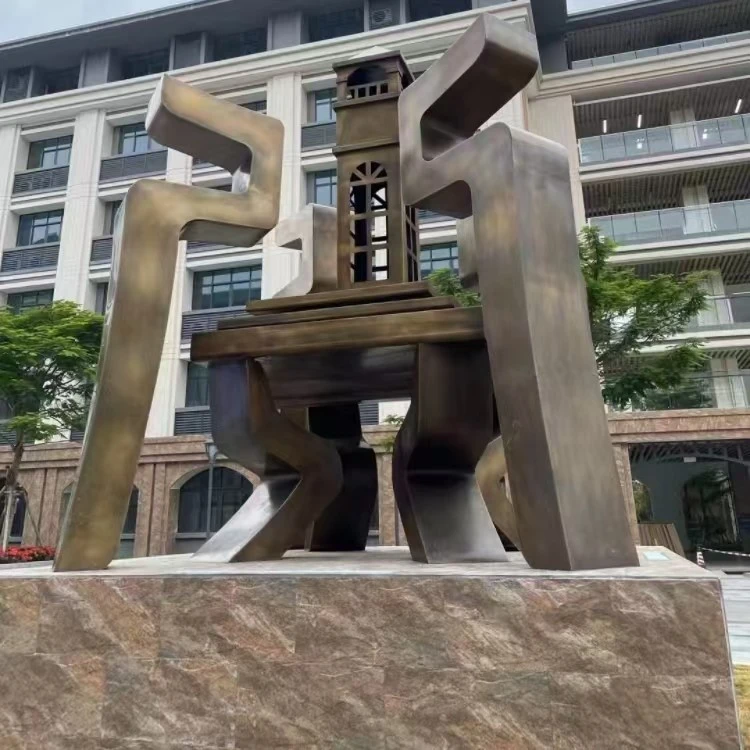
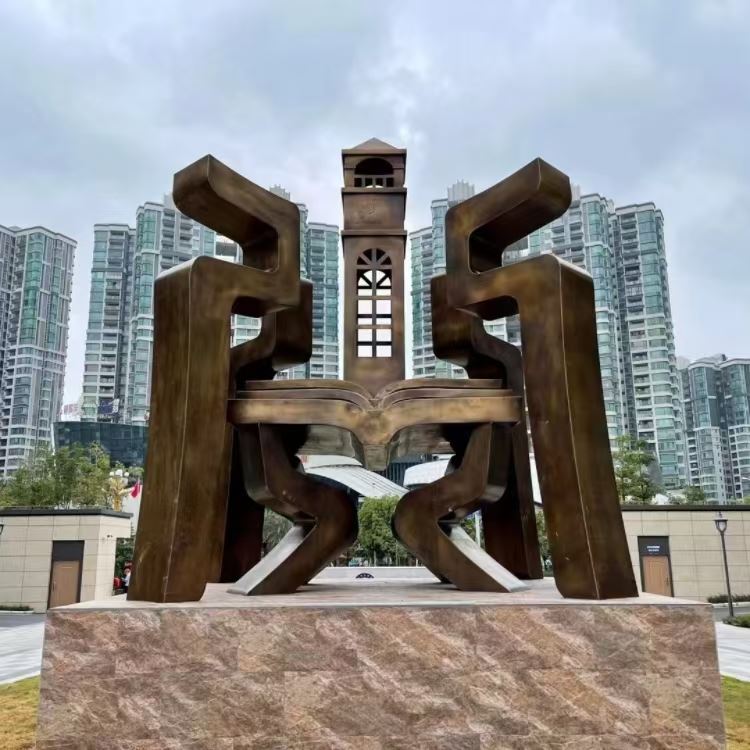
When standing in front of a Large Landmark Bronze Sculpture In The Campus Square, students can study how the artist has used proportion to create a harmonious and visually appealing piece. The ratio of different parts of the sculpture, such as the size of the main figure compared to the base, can be analyzed. This real - time examination is far more effective than looking at 2D images in a classroom.
Rhythm is another design principle that can be clearly observed in sculptures. The flowing lines, the repetition of certain shapes, or the variation in texture can create a sense of movement and rhythm. Students can be asked to identify these elements in a campus sculpture and discuss how they contribute to the overall aesthetic appeal of the work.
Contrast, whether it is in color, texture, or shape, can also be explored. For example, a sculpture that combines smooth metal surfaces with rough, textured areas can demonstrate the power of contrast in creating visual interest. By analyzing these principles in campus sculptures, students can better understand how to apply them in their own artistic creations.
Artistic Techniques and Processes
In addition to theory, campus sculptures can offer valuable insights into artistic techniques and processes. Different sculptures are made using various methods, including casting, carving, and welding.
For a casting sculpture, such as a bronze statue, students can learn about the lost - wax casting process. Professors can explain how the original sculpture is first made in wax, then a mold is created, and finally, molten bronze is poured into the mold. By examining the details of a campus bronze sculpture, students can also see the tell - tale signs of the casting process, like seams or surface textures that indicate the way the bronze was poured and cooled.
Carved sculptures, on the other hand, can teach students about the tools and skills required for working with materials like stone or wood. They can observe the precision and craftsmanship involved in shaping a large block of material into a detailed figure. Welded sculptures can expose students to modern metal - working techniques, demonstrating how the artist uses heat and joins different metal pieces together to create a unified whole.
By having access to these sculptures on campus, students can gain a more practical understanding of artistic techniques, which can be translated into their own studio work. They can experiment with similar processes, informed by the real - life examples in front of them.
Conceptual and Interpretive Skills
Campus sculptures often carry deep - seated conceptual messages. Art is a form of communication, and every sculpture is a manifestation of the artist's ideas, emotions, or social commentary. This aspect makes sculptures ideal for developing students' conceptual and interpretive skills.
When encountering a contemporary campus sculpture, students may initially be confused by its abstract form or unconventional appearance. However, this is where the learning opportunity lies. Professors can guide students through a process of interpretation. They can ask questions such as: What do you think the artist is trying to convey? What emotions or ideas does the sculpture evoke in you? By encouraging students to share their thoughts and interpretations, they develop critical thinking skills and learn to approach art from multiple perspectives.
Moreover, sculptures can be used to spark discussions about current social and cultural issues. A sculpture that addresses environmental concerns, for example, can be the center of a class discussion on sustainability and the role of art in raising awareness. Through these discussions, students not only understand the conceptual underpinnings of the sculpture but also learn how art can be a powerful medium for social change.
Integration into Studio Practice
Beyond theoretical studies, campus sculptures can directly influence students' studio practice. Many art - related courses include hands - on studio work, where students create their own art pieces. The presence of campus sculptures offers a continuous source of inspiration.
Students can draw inspiration from the form, material, or message of a campus sculpture. For example, if they are working on a sculpture project, they may take inspiration from the use of negative space in an existing campus piece. They can experiment with similar spatial relationships in their own work.
In addition, the exposure to different styles and techniques in campus sculptures can help students expand their creative horizons. They may be introduced to new materials or methods that they were not previously aware of, which can lead to more innovative and diverse studio projects.
Importance of Supplier - Educator Collaboration
As a campus sculpture supplier, I understand the value of close collaboration with educators. By working together, we can ensure that the sculptures selected for a campus are not only aesthetically pleasing but also serve educational purposes. Educators can provide insights into the curriculum requirements, the specific areas of study they want to emphasize, and the learning objectives they hope to achieve through the integration of sculptures.
On the other hand, as a supplier, I can offer a wide range of sculptures with different styles, materials, and concepts. I can help educators select sculptures that are most relevant to their courses and that can effectively engage students. By bridging the gap between art and education, we can create a rich and meaningful learning environment within the campus.
Encouraging Procurement and Collaboration
If you are an educator or part of an educational institution interested in enriching your art - related courses with the right campus sculptures, I encourage you to reach out. We have a vast collection of sculptures that can fit various curriculum needs, from historical study to modern studio practice. Let's collaborate to bring the power of art into your classrooms and your campus grounds. Whether you want a single, statement - making sculpture or a series of pieces to create an art walk, we are here to assist you.
References
- Arnold, D. (2018). "The Role of Sculpture in Art Education." Journal of Art Education, 71(2), 34 - 42.
- Balart, M. (2020). "Sculptures as Teaching Tools in the Art Classroom." Art Education Today, 15(3), 22 - 29.
- Finkelstein, J. (2019). "Integrating Outdoor Sculptures into Art Curriculums." International Journal of Art and Design Education, 38(4), 445 - 456.