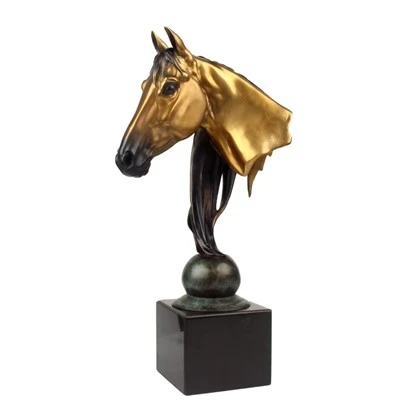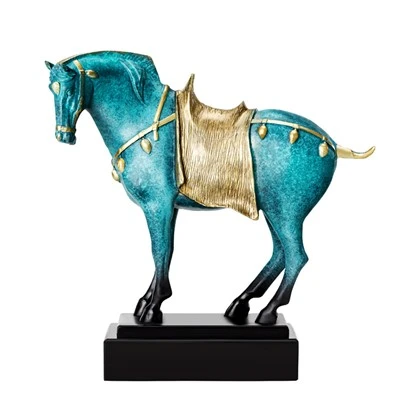
The primary material for bronze commemorative sculptures is a bronze alloy-typically copper-based with specific proportions of metals such as tin and zinc-chosen for its strength, durability, and excellent casting properties. Variations in the alloy composition influence the sculpture's final color, hardness, and surface texture; therefore, the specific material is selected based on the artwork's size and intended aesthetic effect.
In addition to the bronze itself, the production process involves auxiliary materials such as clay, plaster, and wax. Clay is commonly used for the initial modeling phase, allowing artists to refine proportions and forms through continuous adjustments. Wax is frequently employed in the lost-wax casting process to create a wax model that mirrors the sculpture's final shape.
For large-scale bronze commemorative sculptures, metal materials-such as steel-are used to construct an internal support framework. This steel structure enhances stability, preventing deformation caused by the sculpture's own weight or long-term exposure to the elements. Following the casting process, welding materials are used to join the cast sections, and grinding techniques are applied to smooth the joints.
The surface finishing stage involves the use of various chemical coloring agents and protective coatings. Techniques such as antiquing and coloring allow the bronze to take on hues ranging from dark brown to verdigris (greenish-blue) or other visual effects, thereby adding depth and visual interest. Finally, a protective treatment is applied to the surface to mitigate the impact of rain and air exposure, extending the sculpture's lifespan.