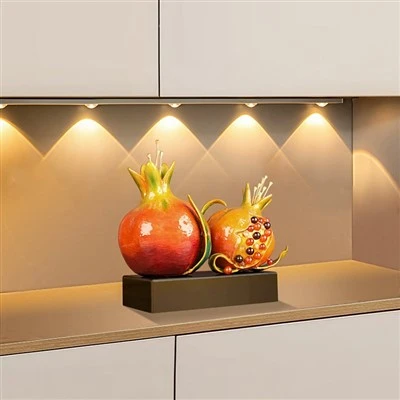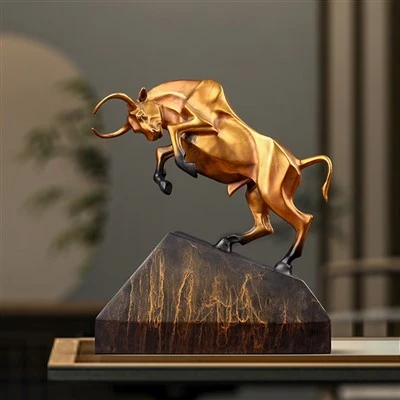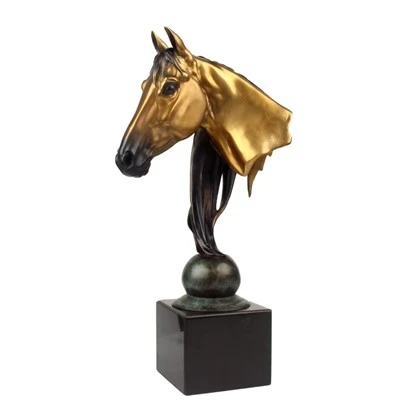
Landscape sculpture is a significant art form within landscape design; it primarily enriches the spatial environment through three-dimensional forms, serving to beautify the landscape, highlight themes, and create atmosphere. These sculptures can be installed in diverse settings-such as parks, public squares, courtyards, scenic areas, and residential communities-and are designed holistically in relation to surrounding architecture, vegetation, water features, and pathways to ensure a harmonious integration with the natural environment.
The subject matter of landscape sculpture is diverse, encompassing figures, animals, plants, natural scenery, and abstract art. Some works possess strong cultural characteristics, reflecting local historical traditions and regional identity, while others prioritize form and visual impact, using unique shapes to captivate visitors and onlookers. The sculpture's form, color, and scale all exert distinct influences on the landscape space.
Common materials for landscape sculptures include stone, bronze, stainless steel, fiberglass (FRP), and wood. As outdoor sculptures are constantly exposed to sunlight, rain, and temperature fluctuations, the materials used generally require excellent weather resistance and durability. Furthermore, the internal structure and anchoring system must be carefully designed based on the sculpture's size and form to ensure safety and stability over the long term.
Landscape sculpture is not merely a decorative art piece; it also plays a functional role in organizing space, guiding sightlines, and conveying cultural messages. A well-designed sculpture can serve as a visual focal point within the landscape, complementing its surroundings to enrich the spatial experience while enhancing the site's unique character and artistic atmosphere.