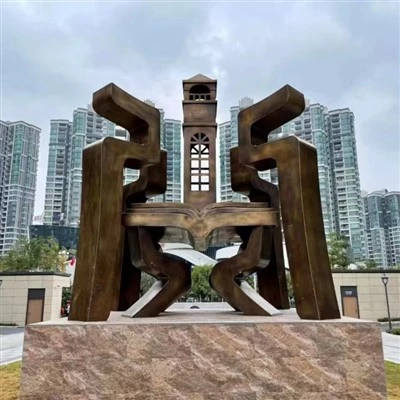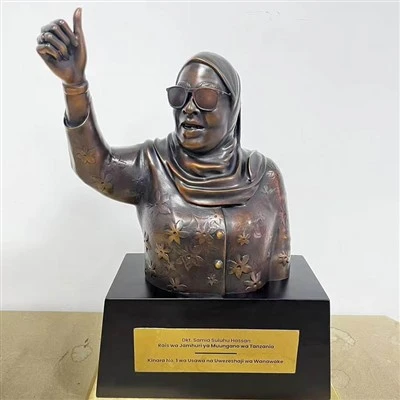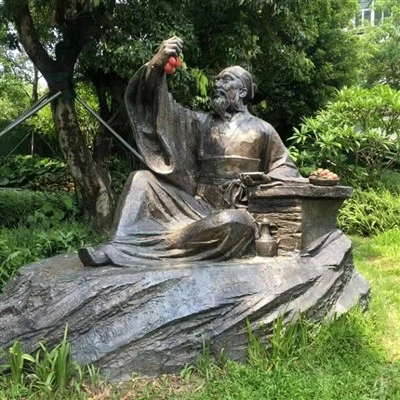

Campus sculptures serve as both aesthetic enhancements and educational symbols, enriching the cultural and visual landscape of educational institutions. As a dedicated campus sculpture supplier, we understand the importance of ensuring that these artworks can withstand and adapt to various weather conditions. This blog post explores how campus sculptures can be designed, selected, and maintained to thrive in different climates, ensuring their longevity and continued beauty.
Understanding the Impact of Weather on Campus Sculptures
Weather conditions can significantly affect the physical integrity and appearance of campus sculptures. Extreme temperatures, humidity, precipitation, and sunlight exposure can all contribute to wear and tear over time. For example, in regions with high humidity, sculptures may be prone to corrosion, especially if they are made of metal. Freezing temperatures can cause cracks in materials such as stone or concrete, while intense sunlight can fade the colors of painted or coated sculptures.
Choosing the Right Materials
One of the primary ways to ensure that campus sculptures can adapt to different weather conditions is to select the appropriate materials. Different materials have different properties and levels of resistance to weathering. Here are some common materials used in campus sculptures and their suitability for various climates:
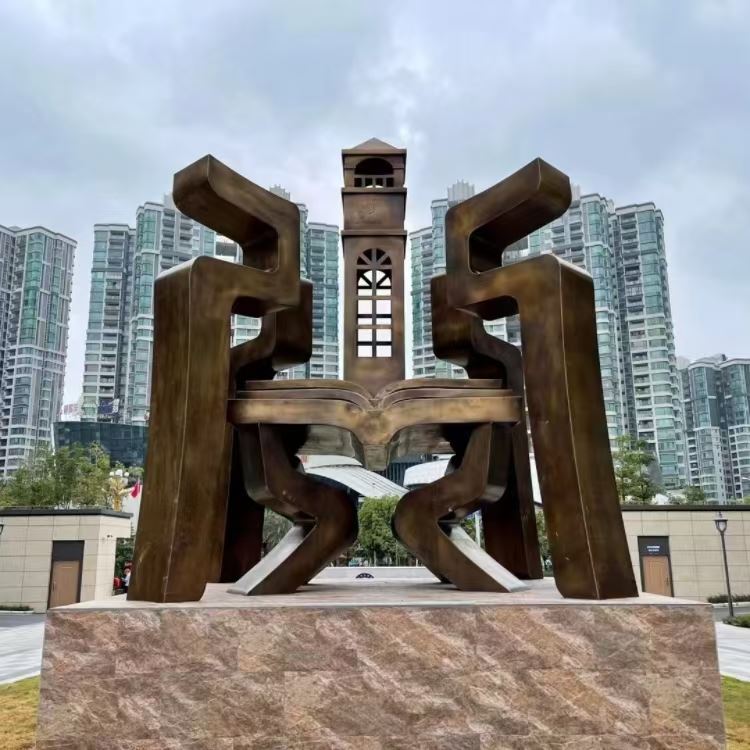
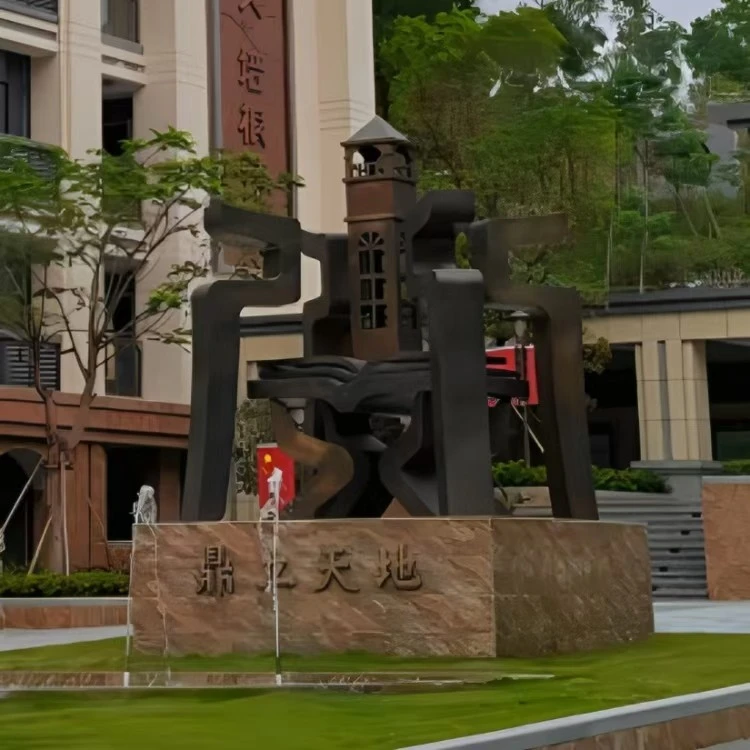
- Bronze: Bronze is a popular choice for campus sculptures due to its durability and aesthetic appeal. It is resistant to corrosion and can withstand a wide range of temperatures. However, in coastal areas or regions with high pollution levels, bronze sculptures may require regular maintenance to prevent the formation of patina. Learn more about our Large Landmark Bronze Sculpture In The Campus Square.
- Stone: Stone, such as granite or marble, is a classic material for sculptures. It is known for its strength and longevity. Stone sculptures can tolerate extreme temperatures and are relatively resistant to weathering. However, they may be susceptible to damage from freezing and thawing cycles, so proper drainage and installation are essential.
- Concrete: Concrete is a versatile and cost-effective material for campus sculptures. It can be molded into various shapes and sizes, and it offers good resistance to weather conditions. However, concrete may require additional protection, such as a waterproof sealant, to prevent moisture penetration and cracking.
- Fiberglass: Fiberglass is a lightweight and durable material that is often used for outdoor sculptures. It is resistant to corrosion, UV rays, and extreme temperatures. Fiberglass sculptures can be painted to mimic the appearance of other materials, such as stone or bronze.
Design Considerations
In addition to choosing the right materials, the design of campus sculptures can also play a crucial role in their ability to adapt to different weather conditions. Here are some design considerations to keep in mind:
- Drainage: Proper drainage is essential for preventing water accumulation on sculptures, which can lead to damage. Sculptures should be designed with channels or slopes to direct water away from the surface.
- Ventilation: In humid climates, ventilation is important for preventing the growth of mold and mildew. Sculptures with hollow or porous designs can allow air to circulate, reducing the risk of moisture-related problems.
- UV Protection: Sunlight exposure can cause fading and damage to sculptures, especially those with painted or coated surfaces. To protect against UV rays, sculptures can be treated with a UV-resistant coating or placed in shaded areas.
- Structural Integrity: Extreme weather conditions, such as strong winds or heavy snow, can put stress on sculptures. It is important to ensure that sculptures are structurally sound and properly anchored to withstand these forces.
Maintenance and Care
Regular maintenance and care are essential for keeping campus sculptures in good condition and ensuring their longevity. Here are some maintenance tips for different weather conditions:
- Rainy and Humid Climates: In regions with high rainfall or humidity, sculptures should be inspected regularly for signs of corrosion, mold, or mildew. Metal sculptures may need to be cleaned and treated with a protective coating to prevent rust. Stone and concrete sculptures should be checked for cracks or damage and repaired as needed.
- Freezing and Thawing Climates: In areas with cold winters, sculptures may be at risk of damage from freezing and thawing cycles. To prevent cracking, sculptures should be properly drained and any water that has accumulated should be removed before the temperature drops. Protective covers can also be used to insulate sculptures during the winter months.
- Sunny Climates: In sunny regions, sculptures may be exposed to intense UV rays, which can cause fading and damage to painted or coated surfaces. To protect against UV damage, sculptures should be treated with a UV-resistant coating and inspected regularly for signs of wear. Additionally, sculptures should be placed in shaded areas whenever possible to reduce their exposure to sunlight.
Collaboration with Experts
As a campus sculpture supplier, we work closely with artists, architects, and engineers to ensure that our sculptures are designed and installed to withstand different weather conditions. Our team of experts has extensive experience in selecting the right materials, designing sculptures for optimal durability, and implementing maintenance and care programs.
If you are interested in purchasing a campus sculpture or have any questions about how our sculptures can adapt to different weather conditions, please contact us for a consultation. We look forward to working with you to create a beautiful and lasting addition to your campus.
References
- "Outdoor Sculpture Maintenance Guide." National Gallery of Art.
- "Materials and Techniques for Outdoor Sculpture." Smithsonian American Art Museum.
- "Weathering and Preservation of Sculptures." Getty Conservation Institute.